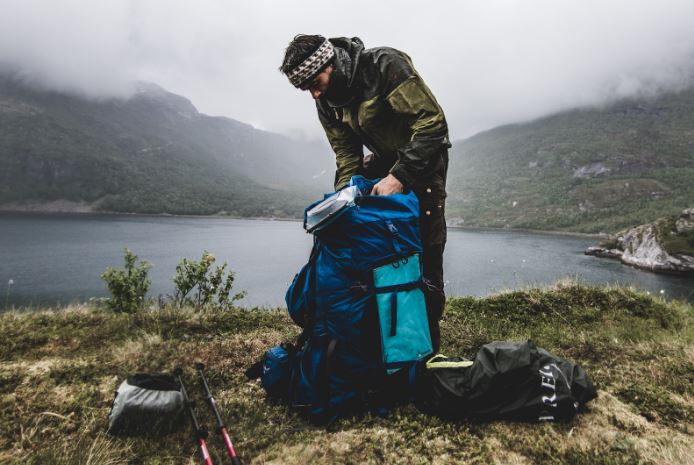
Durability in outdoor gear is easy to talk about when conditions are calm. The real test happens when weather turns, plans stretch longer than expected, and gear stops being treated gently. From this angle, durability is not a marketing claim. It is a relationship between materials, design, and how people actually move through the outdoors.
Experienced adventurers know that tough gear is not always the heaviest or the most complex. It is the gear that keeps doing its job when it is wet, dirty, overloaded, or slightly abused. Small material choices add up. Even components like poly webbing matter because they quietly handle stress again and again without calling attention to themselves.
Thinking about durability from real use rather than lab tests reveals what truly counts. Gear survives because it anticipates mistakes, adapts to movement, and resists wear in the places that matter most.
Weather Resistance Beyond Waterproof Labels
Weather resistance is often reduced to one question. Is it waterproof. In reality, durability involves how gear handles repeated exposure to moisture, sun, wind, and temperature swings.
Fabrics that shed water initially but degrade quickly under ultraviolet light fail the long game. Durable gear balances coatings, fabric density, and breathability so materials do not break down after a season or two.
Zippers, seams, and closures are just as important as outer fabric. Water finds weak points first. Well-designed gear reinforces these areas without adding bulk. Over time, consistent performance in mixed conditions builds trust far more than extreme ratings.
Stitching That Shares the Load
Stitching is one of the most overlooked indicators of durability. Thread choice, stitch pattern, and seam placement all influence how gear handles stress.
Strong gear spreads force rather than concentrating it. Reinforced seams appear where loads change direction, such as shoulder straps or pack corners. Bar tacks and double stitching signal areas built for repeated strain.
Poor stitching often fails slowly. A loose seam begins to creep long before it tears. Experienced users learn to inspect stitching because it tells the story of how gear was designed to age.
Load Capacity and Real-World Movement
Load ratings look clear on paper but movement complicates everything. Walking, climbing, and scrambling introduce dynamic forces that static tests cannot fully capture.
Durable gear accounts for this by allowing controlled flex. Packs bend with the body. Straps adjust without slipping. Materials absorb shock rather than transferring it all to one point.
This is why certain components endure better over time. Materials designed to handle tension and friction together prevent cascading failures. When one part stretches slightly instead of snapping, the entire system lasts longer.
Abrasion Resistance Where It Counts
Not every surface needs to be equally tough. Smart durability focuses protection where contact is constant.
High wear zones include pack bottoms, shoulder strap edges, and areas that rub against rock or ground. Reinforced panels and denser weaves show up here for a reason. They take abuse so lighter materials elsewhere can save weight.
Understanding abrasion patterns comes from field experience. Designers who test gear on real terrain tend to place reinforcement with precision rather than excess.
Hardware That Ages Gracefully
Buckles, clips, and adjusters endure constant handling. They are squeezed, dropped, frozen, and stepped on. Durable hardware does not just resist breaking. It continues to function smoothly after abuse.
Plastic quality matters as much as shape. Some polymers become brittle in cold or soften in heat. Well-chosen hardware stays consistent across conditions.
Metal components face their own challenges. Corrosion, weight, and noise all factor into long term performance. Durable gear balances these trade-offs based on real use rather than assumptions.
Maintenance as Part of Durability
Durable gear invites care. It can be cleaned, dried, and repaired without special tools. When users understand how to maintain gear, lifespan increases dramatically.
Simple practices like rinsing dirt from zippers or drying gear thoroughly prevent premature failure. Many outdoor organizations emphasize maintenance as part of responsible use. National Geographic often highlights how care extends gear life in harsh environments.
Designs that allow easy inspection and repair show respect for the user. Replaceable components and accessible seams signal confidence in long term use.
Field Feedback Over Time
Some of the most durable gear evolves slowly. It improves through feedback from guides, climbers, and expedition users who rely on it daily.
These users notice patterns. Where fabric thins. Where straps creep. Where moisture sneaks in after months of use. Incorporating this feedback leads to subtle but powerful improvements.
Outdoor gear reviews from communities like REI Co-op Expert Advice often reflect these real-world insights, focusing on how gear performs after extended use rather than just first impressions.
Durability as Consistency
At its core, durability is consistency. Gear that behaves the same way in mile one and mile one hundred earns confidence. It does not surprise the user with sudden changes.
This consistency reduces mental load. When you trust your gear, you focus on the environment and the experience. That trust is built through thousands of small interactions rather than one dramatic test.
When Gear Becomes a Partner
The most durable outdoor gear eventually stops feeling like equipment. It becomes a partner. You know how it moves, where it flexes, and how it responds under pressure.
That relationship forms because the gear was designed with real adventure in mind. Not controlled conditions. Not ideal use. Real dirt, real weather, and real mistakes.
When outdoor gear survives those realities, durability stops being a feature. It becomes the quiet foundation that lets adventure happen at all.