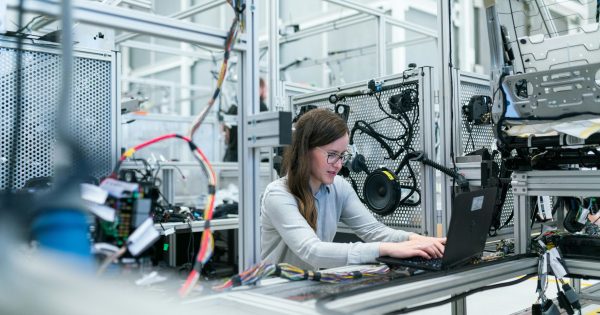
The artificial intelligence-enhanced service robotics sector is entering a pivotal phase, evolving from experimental innovation toward real-world operational deployment. This transformation is being driven by structural labor shortages, increasing operating costs, and rapid advances in computer vision, AI models, and automation infrastructure. Market forecasts highlight the magnitude of this shift, with analysts expecting the global service robotics sector to expand significantly over the coming decade, fueled by adoption across hospitality, logistics, healthcare, and retail environments.
Projections from Precedence Research and Grand View Research both anticipate strong double-digit growth rates. Within this environment, companies successfully moving beyond prototype demonstration into revenue-generating deployment are positioned to shape the early infrastructure layer of Robotics-as-a-Service. Nightfood Holdings Inc., doing business as TechForce Robotics, offers an example of this commercialization transition. The company has recently taken steps to secure full ownership of its BIM-E robotics platform intellectual property, align engineering leadership incentives with revenue performance, and accelerate manufacturing efforts following operational validation at CES 2026.
These developments position Nightfood alongside established AI and automation innovators including Tesla Inc., Serve Robotics Inc., and Knightscope Inc. The industry’s evolution reflects broader technological maturation where AI capabilities are moving from laboratory settings to practical applications that address concrete business challenges. The shift toward revenue-driven deployment suggests that service robotics is moving beyond novelty demonstrations to become integrated components of operational workflows across multiple sectors.
The implications of this transition extend beyond individual companies to the broader economic landscape. As robotics solutions become more commercially viable, they offer potential responses to persistent workforce challenges while creating new infrastructure requirements and business models. The emergence of Robotics-as-a-Service represents one such model, potentially lowering barriers to adoption through subscription-based access rather than large capital expenditures. This evolution marks a significant milestone in the practical application of artificial intelligence technologies, moving from theoretical potential to measurable business impact across diverse industries.

This news story relied on content distributed by InvestorBrandNetwork (IBN). Blockchain Registration, Verification & Enhancement provided by NewsRamp™. The source URL for this press release is Service Robotics Sector Shifts from Prototype to Revenue Phase as AI Matures.