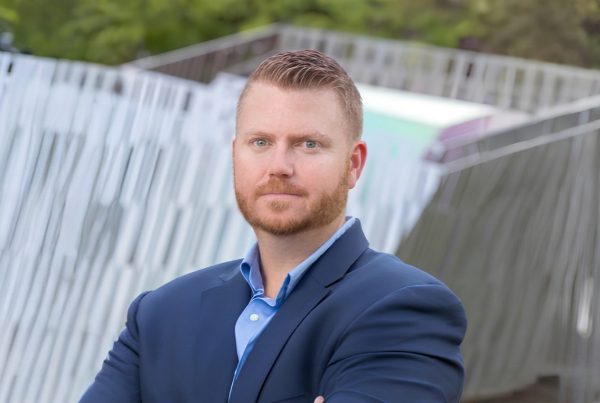
The era of ESG investing is drawing to a close, according to Steven Libman, founder of Investing With Purpose. In his assessment, the retreat of environmental, social, and governance investing—driven by political backlash, commercial disillusionment, and abandonment by institutional investors—has left both a vacuum and a lesson. The vacuum represents an opportunity for more rigorous frameworks; the lesson is that impact language without impact infrastructure does not work.
Libman’s firm has spent 15 years building a faith-driven multifamily investment model where community impact is not a marketing claim but an operating system. He notes that ESG asked a valid question—reminding investors that investing is not neutral—but answered it poorly. “It made people start to realize – oh, my investment matters,” he says. “It is not just a neutral act.”
The failure, Libman argues, was structural. ESG attempted to create a universal moral scorecard for a diverse investor base, becoming political and vague. Fund managers applied the label inconsistently, and investors had no reliable way to evaluate whether an ESG designation meant anything. “You could really slap an ESG label on almost anything,” says Libman. “But where was the measurable impact?” Returns confirmed the problem, with below-benchmark performance and limited verifiable impact.
For faith-driven investors, ESG outsourced the definition of values to Wall Street. “Faith-driven investors do not need Wall Street to tell them what is good,” Libman says. His alternative treats community investment as upstream of financial performance. The on-site Purposed Care Initiative (PCI) within Investing With Purpose’s multifamily properties tracks outcomes like turnover reduction, delinquency improvement, and reputation scores. “Caring is not charity,” says Libman. “It is a strategy. Better communities create better assets, and better assets create better investments.”
This approach changes the economics. ESG asked investors to trade returns for impact; Libman’s conviction-based model argues that genuine community investment produces both. The firm tracks standard real estate KPIs monthly and has developed Purposed Care Indicators (PCIs)—metrics like resident events, pastoral care connections, and acts of service—reported alongside financial data. “We do not want to be ESG with a cross on it,” says Libman. “We offer real disciplined investing with real underwriting and real returns, but coupled with real care and real accountability associated with that care.”
With ESG in retreat, Libman sees the gap being filled by investors with conviction, not consultants with acronyms. His proposed framework includes biblical stewardship, transparency, purposed impact, and excellent investment discipline. The Purposed Care Initiative is an early signal of that accountability structure. For more details, visit Investing With Purpose.

This news story relied on content distributed by Keycrew.co. Blockchain Registration, Verification & Enhancement provided by NewsRamp™. The source URL for this press release is ESG’s Collapse Creates Opening for Faith-Driven Investment Model, Says Steven Libman.