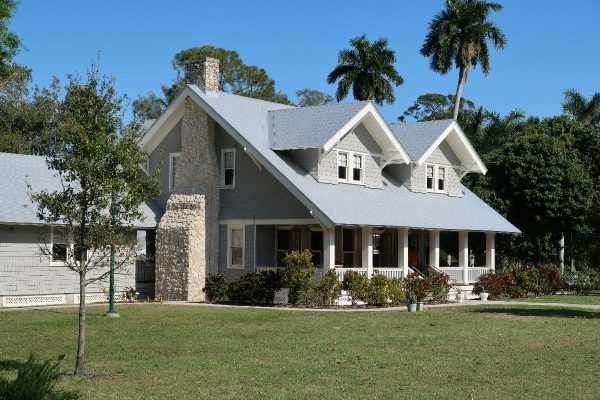
Many second-home owners believe their property is safe because they have smart locks, a Nest thermostat, or a security camera. But according to Clem McDavid, founder of HomeLedger, the problems that cost owners the most money are rarely dramatic events. They are the slow, invisible failures that compound over weeks and months with no one around to catch them.
Power surges are one of the most common culprits. A surge knocks something offline, and in a primary residence you notice within hours. In a seasonal home you might not discover it for two months. Freezer doors that appear closed but are not sealed properly can freeze everything solid or let everything melt, neither obvious until someone opens them. Leaky faucets, both interior and exterior, are often dismissed as minor but left unaddressed for a season can lead to water damage, mold, and structural problems.
Connected devices add another layer of false confidence. Smart thermostats and remote sensors depend on power and Wi-Fi. When either goes out, the device goes dark and the owner has no visibility. McDavid argues that the human element—someone physically present—is not replaceable by a sensor.
Many second-home owners who have tried home watch services describe a pattern: initial thorough visits and regular communication that gradually stops. Reports become hard to obtain, and by the time something goes wrong, there is no verifiable record of when anyone last visited. McDavid calls this a structural problem. Without a system that creates a timestamped, verifiable record of every visit, accountability depends on the operator’s goodwill and the homeowner’s memory.
Homeowners should ask for GPS-verified visit records, timestamped photos, and automatic reports. If getting a report from three weeks ago requires a phone call and digging, that is a gap in the system. McDavid says that if a homeowner calls for a report from a visit three weeks ago, the operator should produce it in under three minutes.
Coastal and seasonal markets like Nantucket, Naples, and the Florida coast carry the most risk because of extreme weather, salt air, and temperature swings that accelerate wear. A small issue that might sit unnoticed for months in a temperate climate can turn into a significant repair within weeks in a coastal environment. McDavid compares skipping property oversight to skipping an oil change: you can push past the recommended interval, but the longer you go, the worse the eventual outcome.
For second-home owners evaluating their oversight arrangements, HomeLedger’s Watch Tower platform is built for the home watch industry to bring accountability to operators of any size.

This news story relied on content distributed by Keycrew.co. Blockchain Registration, Verification & Enhancement provided by NewsRamp™. The source URL for this press release is Why Second Homes Are More Vulnerable Than Owners Realize.