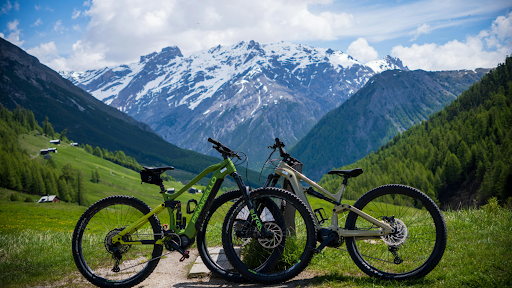
How Fat Tire E-Bikes Are Making Outdoor Adventures More Sustainable in Canada
Canada’s outdoor spaces are busy for good reason. You’ve got snowy backroads, forest paths, cottage lanes, prairie gravel, and coastal routes that practically beg for a weekend ride. At the same time, fuel prices sting, parking near trailheads can be a headache, and more riders are wondering how to get outside without adding so much noise or emissions.
That’s where fat tire e-bikes Canada options are getting attention. They give riders the grip, range, and confidence to handle mixed conditions without relying on a car for every short trip.
Electric riding is no longer a niche thing for tech lovers; it is becoming part of everyday adventure.
The Rise of Fat Tire E-Bikes in Canada’s Outdoor Adventure Scene
Canada is not exactly a one-surface country. One day, you’re rolling over packed snow. Next, you’re dealing with wet gravel, sand, roots, or that mysterious cottage-road mud that somehow gets everywhere.
That variety is why many riders look specifically for fat tire e-bikes Canada when comparing year-round options. StreetRides.ca fits that search by offering Canadian-shipped electric bikes, scooters, and rugged ride choices built with local weather and terrain in mind.
Why Riders Are Switching
Fat tires help spread your weight across more surface area. In plain English, that means better float and steadier handling on soft or loose ground.
Add pedal assist, and the whole ride changes. Hills feel less punishing. Longer routes feel more realistic. Carrying a backpack, groceries, or camping gear no longer feels like a personal fitness test you forgot to train for.
Why Retail Demand Is Growing
Across the country, fat tire e-bikes for sale are showing up through online shops, local dealers, and seasonal demos. That gives new riders and experienced cyclists more room to compare comfort, motor power, price, range, and terrain fit before buying.
The important part? Popularity only helps sustainability if these bikes replace higher-impact trips, not just add another gadget to the garage.
Sustainable Advantages of All-Terrain Fat Tire E-Bikes
So, do fat tire e-bikes actually help the environment? In many real-world cases, yes. Especially when they replace short car drives, ATV-style access, or repeated trips to crowded trailheads.
Lower Trail Access Emissions
A recent transport study found that “the incentive recipients reduced their GHG from travel by an average of 16 kg CO₂e per week one year after purchase.” That is not a tiny number, especially if you start using an e-bike for errands, local rides, or getting to nearby trails.
Gentler Outdoor Exploration
An all-terrain fat tire e-bike can move across snow, dirt, gravel, and sand with far less noise than gas-powered machines. That matters more than people think. Less engine noise means a calmer experience for you and less disturbance for wildlife, as long as you stay on routes where e-bikes are permitted.
Support for Green Tourism
Rental shops and tour operators are also paying attention. E-bikes let visitors cover more ground without adding as much traffic, parking pressure, or exhaust in scenic communities.
That benefit becomes even stronger when one bike works beyond a few warm summer weekends.
How Fat Tire E-Bikes Enable Adventure in Every Season
A sustainable bike only makes sense if you actually ride it often. In Canada, that means it needs to handle slush, packed snow, cold mornings, wet pavement, and changing trail surfaces without making you nervous.
Winter Riding Confidence
For winter use, many riders compare fat tire e-bikes Canada models with fenders, dependable lights, cold-aware battery setups, and disc brakes. Those details make a difference when the temperature drops and you’re carrying heavier clothing or gear.
Rugged Terrain Beyond Snow
Once the snow melts, the same bike can still earn its keep. Forest paths, lakeside gravel, sandy stretches, and uneven cottage roads all become more manageable. That makes the bike useful for commuting, errands, weekend exploring, and those “let’s just see where this road goes” moments.
Simple Prep Tips
Keep tire pressure matched to the surface. Store the battery indoors during deep cold. Dry the drivetrain after salty rides. None of this is glamorous, but it helps your bike last longer and keeps avoidable repairs away.
Once you understand the seasonal value, the next step is choosing a bike that truly fits your life.
Choosing the Best Fat Tire E-Bike in Canada for Sustainability and Performance
The right e-bike should match your route, your height, your storage space, and your local climate. A bargain bike that breaks early is not especially green. A durable model you ride often is usually the better long-term choice.
Features That Matter Most
If you want the best fat tire ebike Canada has to offer, look for removable batteries, serviceable parts, hydraulic brakes, puncture-resistant tires, and local warranty or repair support. A torque sensor is also worth considering because it can make assistance feel smoother and more efficient.
Quick Comparison Guide
|
Rider Need |
Best Fit |
Sustainability Benefit |
|
Winter errands |
Fat tires with fenders and lights |
Replaces short car trips |
|
Trail weekends |
Strong frame and mid-to-high torque motor |
Extends low-impact recreation |
|
Budget commuting |
Simple hub motor and removable battery |
Easier repairs and lower waste |
|
Family camping |
Rear rack and higher payload rating |
Reduces extra vehicle use |
Buying Without Overdoing It
Searching for fat tire e-bikes in Canada will bring up plenty of choices. Before you click buy, check return policies, service access, parts availability, and Canadian e-bike rules. A little homework now can save you a lot of frustration later.
Buying wisely is only half the job. Maintenance decides whether your bike stays useful for years or becomes an expensive corner ornament.
Maintaining Your Fat Tire E-Bike for Minimal Waste
Good maintenance is one of the simplest sustainability wins. It saves money, reduces waste, and keeps your bike performing through Canada’s messy seasonal swings.
Battery and Tire Care
Charge the battery before it fully drains. Avoid leaving it in extreme cold. If you’re storing it for a while, keep it partly charged. Tires also deserve regular checks because underinflation wastes power and wears rubber faster.
Repair Before Replace
Choose bikes with common brake pads, standard tire sizes, and parts that local shops can service. When a battery reaches the end of its life, ask retailers or municipal recycling programs how to dispose of it safely.
Service Habits That Pay Off
Book a tune-up before winter and another before spring. It sounds boring, sure. But boring maintenance is usually cheaper than exciting repairs.
Those habits also prepare riders for the next generation of cleaner outdoor tech.
The Future of Outdoor Adventures and Sustainable E-Bike Tech
Fat tire e-bikes will likely keep getting lighter, smarter, and easier to repair. That is good news if you want cleaner travel without giving up comfort, distance, or weekend fun.
Smarter Riding Tools
Route planning, battery tracking, and app-based diagnostics can help riders manage power more carefully. Some systems may even suggest easier routes to stretch the range and reduce battery strain.
Better Tourism Infrastructure
As more charging stations, lodges, rental fleets, and trail towns welcome fat tire e-bikes, riders, longer low-emission adventures become more practical. That means fewer cars crowding fragile outdoor spaces.
Naturally, a few questions come up before people make the switch.
Wrapping Up
Fat tire e-bikes are helping Canadians enjoy outdoor adventures in a cleaner, quieter, and more practical way.
With strong traction, all-season versatility, and enough range for errands, trails, and weekend exploring, they can reduce dependence on short car trips while making mixed terrain easier to handle.
When riders choose durable models, maintain batteries responsibly, and follow local trail rules, fat tire e-bikes can become a smart part of more sustainable outdoor travel in Canada.
Common Questions About Sustainable Fat Tire E-Biking
Are fat tire e-bikes sustainable compared with regular e-bikes?
They can be, especially when they replace car trips or gas-powered recreation. They may use slightly more battery power than slimmer e-bikes, but their all-season usefulness can lead to more frequent riding.
Can beginners ride fat tire e-bikes safely?
Yes. Many beginners like the stable feel of wide tires. Start on quiet paths, use lower assist levels, practice braking, and avoid technical trails until handling feels natural.
Where can riders legally use them in Canada?
Rules vary by province, city, park, and trail system. Check local e-bike class rules, speed limits, helmet laws, and trail signs before riding, especially in national and provincial parks.