For individuals and families entering substance use recovery, the distinction between detoxification and rehabilitation is often misunderstood. Scottsdale Detox, a physician-supervised medical detoxification facility in Scottsdale, Arizona, has outlined the operational differences between these two clinical phases and described its framework for connecting physical stabilization with long-term behavioral therapy.
The primary clinical objective of medical detoxification is the safe and comfortable clearance of substances from the body. Withdrawal from alcohol, opioids, and benzodiazepines produces serious physiological symptoms requiring continuous intervention to prevent life-threatening complications. According to a spokesperson for Scottsdale Detox, “Detox is not a cure for addiction; it is simply the critical first step that addresses physical dependence. Rehabilitation is the subsequent phase where master’s-level clinicians utilize intensive behavioral therapies to address the root causes of substance use. True recovery requires both pieces, and our framework ensures clients don’t experience a dangerous gap in care between physical stabilization and emotional healing.”
A lack of clarity about where detox ends and rehabilitation begins can result in premature discharge, substantially raising the risk of immediate relapse. By establishing a defined transition from acute medical management to individualized psychological treatment, Scottsdale Detox supports clients in moving safely into sustained recovery. The facility draws on dedicated discharge resources and direct coordination with its sister residential property, The Hope House, to transition clients into comprehensive inpatient rehabilitation without delay.
Conventional detox models often operate in crowded, institutional environments. Scottsdale Detox limits its facility census to just 10 clients—well below the Arizona average of 29—to provide a higher level of personalized clinical oversight. Led by board-certified physicians and specialized nursing staff, the program integrates advanced medical withdrawal protocols with concurrent mental health support. Unlike more restrictive environments, clients retain secure access to their cell phones and laptops, allowing executives and working professionals to manage corporate responsibilities while receiving 24/7 medically supervised care.
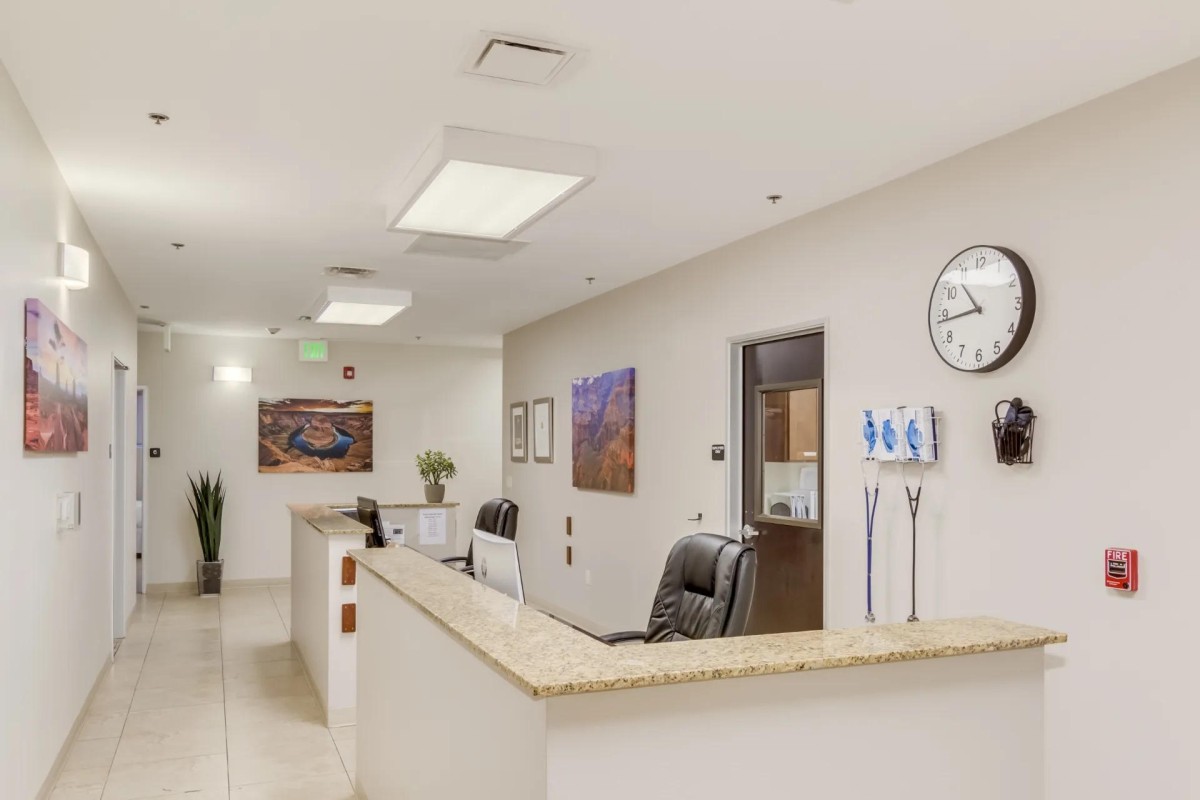
This continuum of care is delivered within a setting that prioritizes patient dignity and professional continuity, featuring completely private bedrooms and bathrooms, executive suites, and an on-site cafe. For those seeking guidance on initiating care or requesting a free, personalized assessment, the admissions team at Scottsdale Detox offers confidential, around-the-clock support with same-day insurance verification.
The implications of this structured approach are significant: by eliminating the gap between detox and rehab, Scottsdale Detox and The Hope House aim to reduce relapse rates and improve long-term recovery outcomes. As the facility emphasizes, detox is merely the critical first step, and true recovery requires both physical stabilization and emotional healing.