Tempest Droneworx™, a Houston-based developer of autonomous systems software, has unveiled Corvus MRDR™ (Modular Robotics Development & Reporting), a platform designed to reduce the time and cost associated with testing drone algorithms. The announcement, made on August 18, 2026, targets developers who currently face significant hurdles in field testing, including the need for aircraft, crews, ranges, travel, and weather-dependent schedules.
Corvus MRDR aims to change the development equation by allowing engineers to test their own algorithms and control methods at scale, then progressively replace simulated vehicles with real ones without altering their existing workflow or relinquishing intellectual property. This approach is particularly relevant for autonomous developers who spend substantial resources just to reach the testing phase.
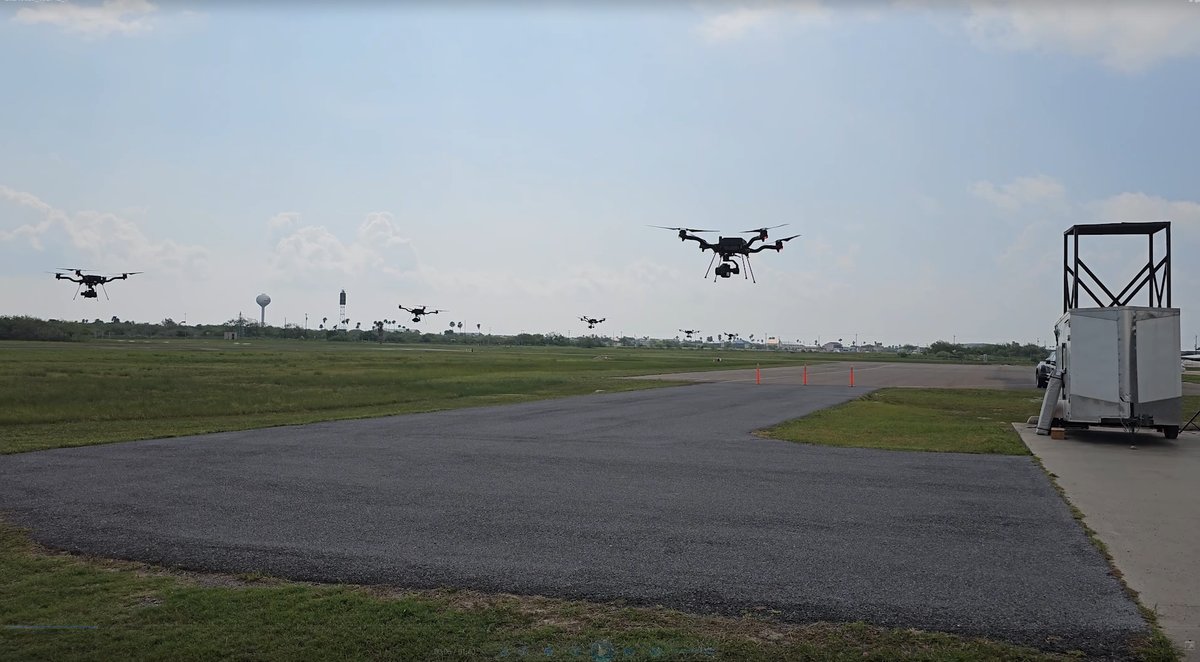
The platform integrates simulated and physical drones through CROS and RAVN, enabling incremental replacement of virtual aircraft with real ones in real-world coordinates. This hybrid testing capability allows developers to validate algorithms in a safe, controlled environment before deploying them on physical drones, reducing the risk of costly failures and accelerating the path to market.
According to Tempest Droneworx, the technology has broader implications beyond development efficiency. By enabling safer and more efficient autonomous systems, Corvus MRDR could advance technology that improves public safety and quality of life. For example, drones used in emergency response, infrastructure inspection, or delivery services could benefit from more reliable and thoroughly tested algorithms, leading to fewer accidents and better performance in critical situations.
The company emphasizes that its platform is platform-agnostic, meaning it can work with various drone hardware and software stacks. This flexibility is intended to appeal to a wide range of customers, including commercial enterprises, academic institutions, public safety agencies, government bodies, and defense organizations.
Tempest Droneworx is a Service-Disabled Veteran-Owned Small Business (SDVOSB), a designation that underscores its commitment to serving both public and private sectors. The company’s focus on turning autonomous systems and sensor data into real-time operational insight positions Corvus MRDR as a tool that not only streamlines development but also enhances the operational capabilities of end users.
The introduction of Corvus MRDR comes at a time when the drone industry is rapidly evolving, with increasing demand for autonomous capabilities in commercial and public safety applications. By lowering the barriers to testing and development, Tempest Droneworx could help smaller players and researchers compete with larger firms, fostering innovation across the sector.
For developers, the ability to progressively replace simulated vehicles with real ones means that they can scale their testing efforts incrementally, managing costs and risks more effectively. This approach also preserves the developer’s ownership of their intellectual property, a critical factor for startups and research institutions that rely on proprietary algorithms as their core asset.
As the drone industry continues to mature, tools like Corvus MRDR may become essential for accelerating the development of safe, reliable autonomous systems. The announcement highlights a growing trend toward simulation-first development, which could reshape how drones are designed, tested, and deployed in the coming years.