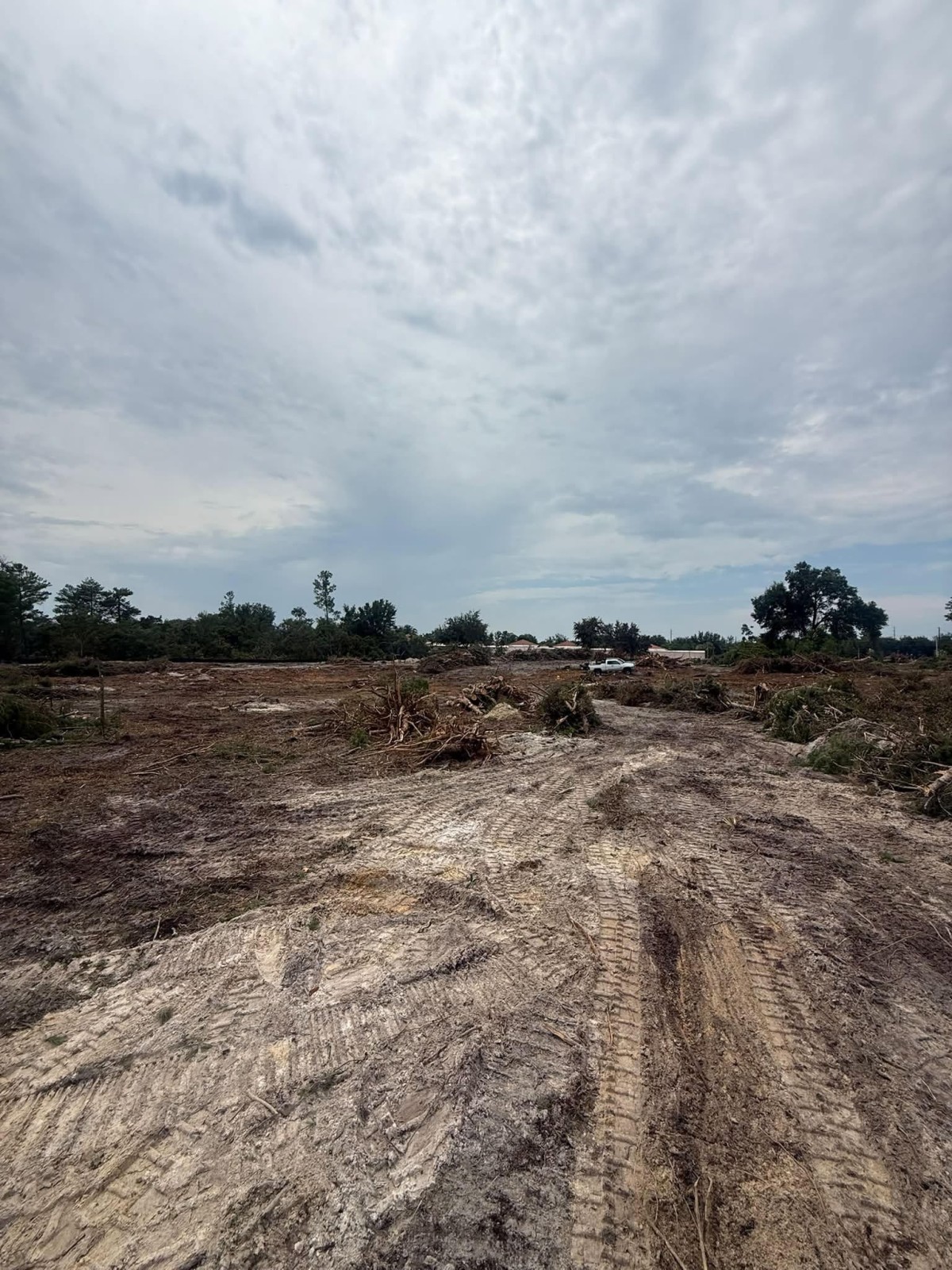
As residential development and rural land sales continue to rise across the United States, property owners are increasingly searching for professional land clearing services. To address this demand, VB Tree Removal has published a comprehensive guide that outlines seven key indicators that signal the need for expert intervention, along with a detailed analysis of the costs involved.
The new resource, available on the company’s website, covers scenarios ranging from overgrown vacant lots to large-scale commercial development. According to the guide, one of the most common signs is a property that has been left vacant for several seasons. Such lots often harbor invasive species, layered debris, and hidden hazards like old fencing or drainage pipes, making them difficult for standard lawn equipment to handle.
Another critical sign is the issuance of a building permit. Construction site clearing is a prerequisite for nearly all residential and commercial builds, as grading, foundation work, and utility installation require a cleared, level surface that meets municipal specifications. Tree clearing near structures or utility lines is also highlighted, as it carries significant liability that unlicensed crews are not equipped to manage.
For larger tracts, the guide notes that acreage clearing—typically defined as more than one acre—requires commercial-grade machinery. Attempting such work with residential tools not only extends project timelines but also increases the risk of injury. In such cases, forestry mulching has emerged as a widely adopted alternative to traditional burning and hauling. This method grinds stumps, brush, and small trees into ground cover in a single pass, reducing labor hours and controlling erosion on slopes.
The guide also addresses lot clearing for property sales or subdivision, which can boost property value and speed up due diligence. Commercial land clearing, on the other hand, involves coordination with civil engineers, surveyors, and municipal inspectors, and requires contractors to carry proper insurance and equipment certifications.
Understanding the cost drivers behind a land clearing estimate is crucial for property owners. The guide breaks down factors such as vegetation density, parcel size, disposal method, access constraints, and permitting requirements. For instance, per-acre rates typically decrease as acreage increases, while on-site mulching generally costs less than hauling debris to an off-site facility. Residential projects under one acre often involve more manual labor relative to machine time, which affects the overall pricing structure differently than larger commercial jobs.
To further assist property owners, the guide includes a FAQ section addressing common questions. It clarifies that forestry mulching may not be suitable for extremely rocky ground, that stump removal is usually a separate line item, and that scheduling several weeks ahead is advisable for projects requiring permits or large equipment. It also confirms that development clearing can be phased to help landowners manage cash flow on larger parcels.
VB Tree Removal, based in Debary, Florida, provides land clearing services for both residential and commercial clients, including brush clearing, tree clearing, forestry mulching, site prep, and debris removal. The company’s new guide aims to educate property owners on when and how to engage professional services, ultimately saving time and reducing risks. For more information, visit Volusia Bobcat & Tree Service.