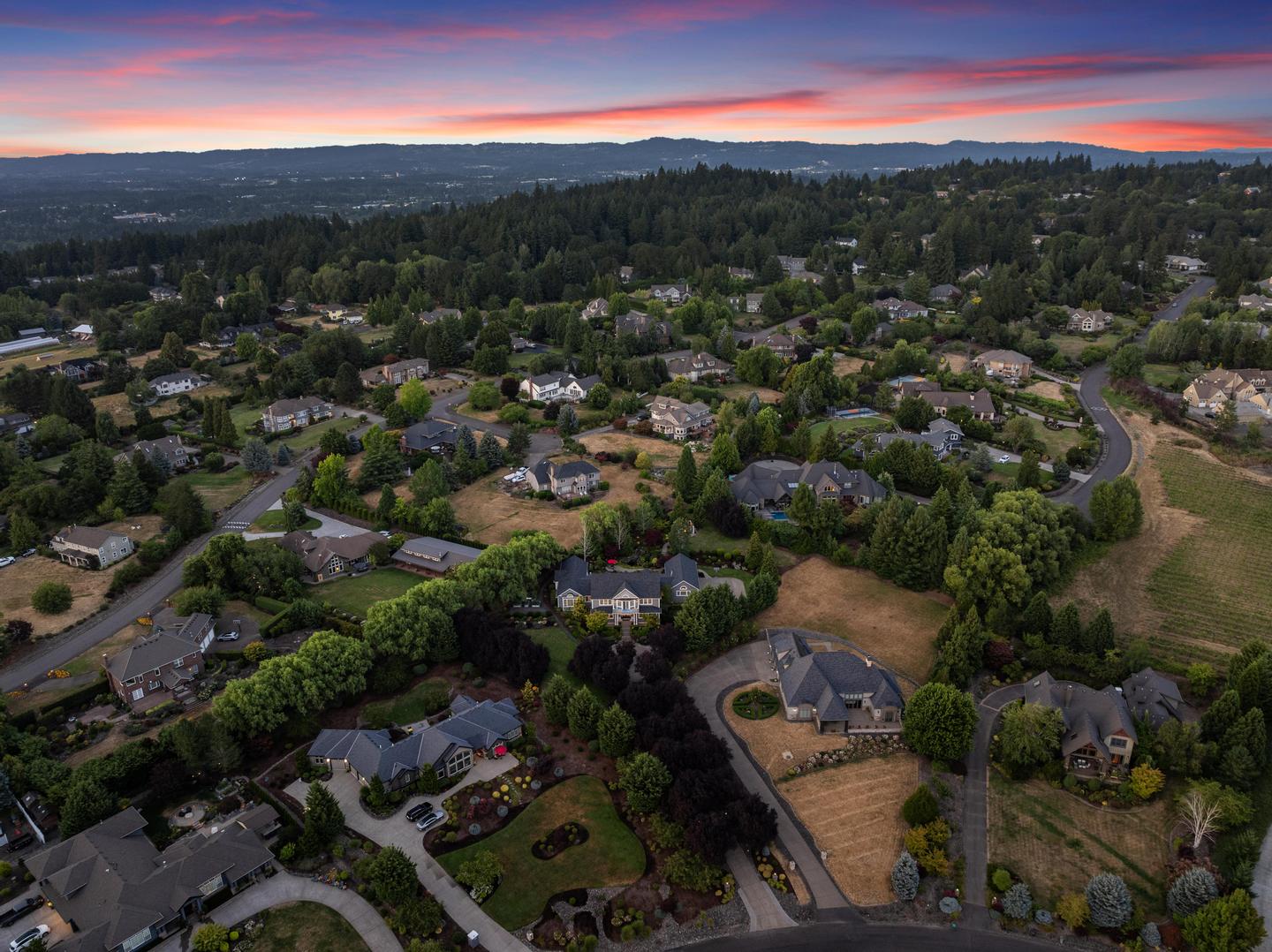
In the real estate market, timing can be everything, and a Beaverton broker is cautioning buyers that waiting for lower interest rates might be a costly mistake. Carey Hughes, Principal Broker at Carey Hughes Homes, argues that the current cautious market in Beaverton presents a unique opportunity for buyers, one that could vanish once rates drop and competition heats up.
Hughes points to the Bay Area’s hot market as a contrast. There, scarcity and bidding wars define the landscape. In Beaverton, however, the market is balanced, if not buyer-friendly. Inventory has expanded, sellers are motivated, and multiple-offer situations are rare. This shift, Hughes says, gives buyers negotiating power they haven’t had in years.
The primary culprit keeping buyers on the sidelines is anxiety over interest rates hovering near 7%. But Hughes sees this as a paradox: the very factor causing hesitation is also what’s suppressing competition. “Cautious buyers are afraid of the interest rate, and so that is holding them back from even looking,” she says. “And this is a time where they actually have more opportunities.”
Sellers are now offering concessions, such as closing cost credits that can be used to buy down the interest rate, making homes more affordable than the headline rate suggests. This dynamic, Hughes insists, is a window that will close.
The core of Hughes’s argument lies in a distinction between what is permanent and what is temporary. “Rates are not forever, and your original purchase price is,” she explains. “The key point is to get in at a good price. That is the best way to set off your long-term investment.”
When rates eventually fall, likely to around 6% to 6.25%, Hughes predicts a surge of buyers returning to the market, driving prices up. This appreciation would benefit those who bought earlier at a lower price, while those who waited would face higher prices, potentially erasing any savings from lower monthly payments.
Hughes sees a tipping point at that rate threshold. “As soon as the interest rates adjust without the risk of war and inflation, buyers are going to come back when they’re closer to six or six and a quarter,” she says. “That’s a threshold we see. And then the prices start appreciating.”
This doesn’t mean a market crash is imminent. “The bottom is not falling out in real estate in any way,” Hughes says. “We have a very stable market, but there’s an opportunity where price appreciation is not aggressively happening. And this is when you get ahead as a buyer.”
While monthly affordability remains a challenge, Hughes emphasizes that negotiation can bridge the gap. “Negotiation can bring adjustments in price. It can bring closing cost credits to help buyers buy down the interest rate so they can get better affordability,” she says. “If the home’s been on the market for a while, you can get some help from the seller.”
For those considering entering the market, Hughes advises starting with a knowledgeable local agent and getting pre-approved. Then, she suggests touring multiple homes to gain perspective. “Once pre-approved, buyers should tour six to eight homes across different neighborhoods and price levels in a single afternoon,” she says, to build a frame of reference for recognizing the right property.
The message is clear: the current market conditions are favorable for buyers, but they won’t last forever. By acting now, buyers can secure a lower purchase price, the one factor that remains fixed over time.