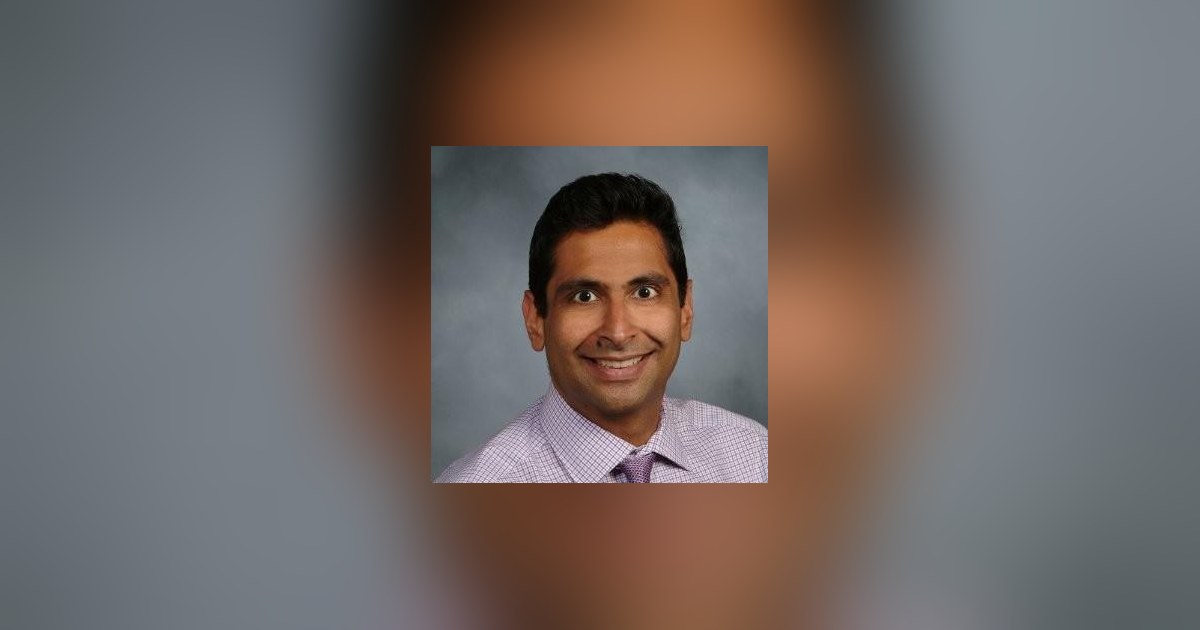
For patients newly diagnosed with small cell lung cancer (SCLC), the conversation about clinical trials should begin immediately, not after other treatments have failed. That is the key message from Dr. Ashish Saxena, Chief of Thoracic Medical Oncology at Weill Cornell Medicine, who spoke about the evolving treatment landscape for this aggressive disease. “There are a lot of changes going on in the landscape today, more than we’ve seen for a very long time,” Saxena said. “Emerging treatments now involve immunotherapy, where your immune system attacks small cell lung cancer. Studies are also exploring antibody-drug conjugates, antibodies that target specific proteins in small cell cancer and deliver chemotherapy with them, rather than free-flowing chemotherapy in your bloodstream.”
SCLC has historically had few treatment options, but research is now expanding what may be possible. According to Saxena, understanding the biology of SCLC and how certain patients may respond to specific drugs is leading to more personalized care. For patients, this progress offers something especially important: hope. “All of these things should give patients a lot of hope when they are diagnosed with small cell lung cancer,” he said.
Clinical trials are not only focused on extending life but also on improving how patients feel during treatment. Researchers are increasingly tracking patient-reported outcomes such as fatigue, breathing problems, pain, and emotional well-being. “The goal is to have meaningful time, not just more time,” Saxena explained. These outcomes can provide early clues about whether a treatment is working before the next scan—a cough may improve, breathing may become easier, or energy may return.
Patients can also play an active role in their care by speaking up about side effects and changes in how they feel. This feedback helps doctors adjust medications or dosages and better manage symptoms, potentially allowing patients to stay on treatment longer. In clinical trials, such reporting helps researchers understand how a therapy affects daily life, not just what appears on a scan.
Wendy Brooks, who is living with small cell lung cancer and is a member of the LCFA’s Voices of Hope Speakers Bureau, finds the pace of change encouraging. “I’m more hopeful today than I have ever been,” Brooks said.
The message for patients is clear: don’t wait to ask about clinical trials. Ask early, before treatment begins, and keep asking as the treatment journey continues. That one question—”Is there a clinical trial that might be right for me?”—could open a door you didn’t know was there. To hear the full conversation between Wendy Brooks and Dr. Ashish Saxena on the Hope With Answers podcast and learn more about small cell lung cancer research, clinical trials, and treatment, visit LCFAmerica.org.