Beijing’s status as the only city to have hosted both the Summer and Winter Olympics is being parlayed into a powerful economic engine, as a dense schedule of international and domestic sports events during the National Day holiday transformed the Chinese capital into a sprawling festival of sport and consumption. The so-called “Golden Week of Sports Events” saw the China Open tennis tournament and the World Table Tennis (WTT) China Grand Smash anchor a citywide celebration that extended far beyond stadium walls, according to an announcement carried by Media OutReach Newswire.
At the National Tennis Center, the China Open men’s singles final ended dramatically on October 6 when Novak Djokovic claimed his seventh title after opponent Alex de Minaur retired injured in the first set. But the tournament’s impact rippled through the entire park. A “second venue” featuring big-screen viewing, officially licensed merchandise, and bustling food and beverage outlets blended competitive passion with the city’s relaxed holiday atmosphere. Yin Xufei, head of the China Open officially licensed merchandise store, said each of the two stores at the north and south ticket gates received over 10,000 visitors per day during the holiday, with nearly a thousand products giving fans a tangible memory of the event.
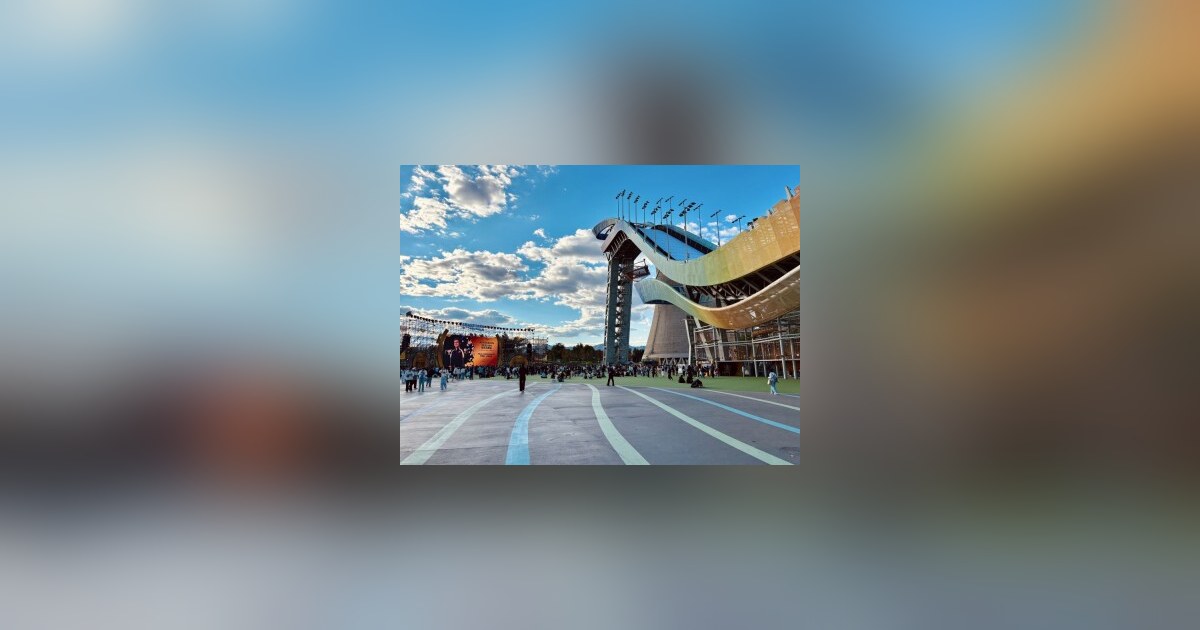
Across town, Shougang Park in Shijingshan district hosted the WTT China Grand Smash for the third consecutive year, its industrial aesthetic providing a striking backdrop to table tennis, China’s national sport. “People can spend a whole day wandering around Shougang Park—dining, markets, and souvenirs are all available,” said Gao Yize, a fan from Xinjiang. The park’s official licensed store promoted a tournament-themed T-shirt that doubles as a “walking ticket stub,” offering wearers exclusive discounts at hundreds of partner merchants across Shougang Park, Yongdingheji, Moshikou Historical and Cultural Street, and other locations.
The economic ripple effects were felt citywide. The Beijing Yizhuang GT World Challenge attracted over 26,000 spectators, with its automobile-themed carnival driving significant growth in surrounding dining, retail, and accommodation spending. In Miyun, the China Men’s 3×3 Basketball League Championship linked cultural tourism resources and key commercial districts, opening the “Chao San” Market that brought together over 30 merchants offering local specialties like Miyun’s Three Roasts and intangible cultural heritage “loufen” starch noodles.
By making holiday cultural tourism scenarios a standard feature of sports events, Beijing is expanding event consumption scenarios and enhancing the fan experience, further demonstrating the enormous potential of the sports event economy. The strategy not only boosts short-term spending but also cements the city’s brand as a global destination where sport, culture, and commerce intersect.