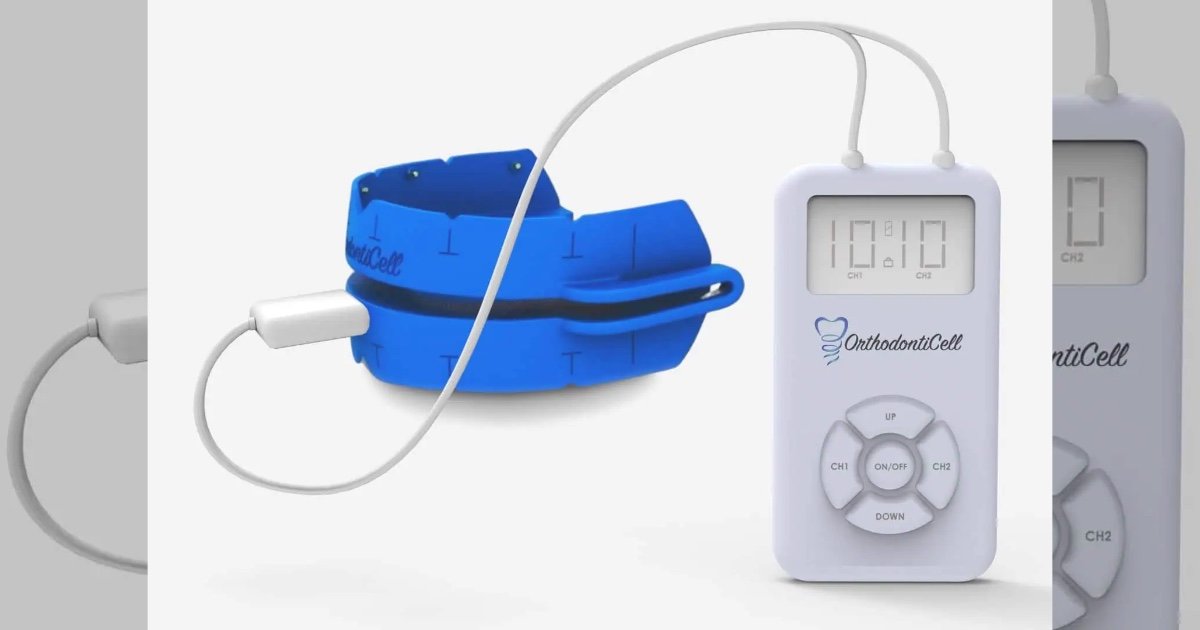
OrthodontiCell, Inc. announced today that it has secured sufficient capital to complete the remaining testing required to support its application to begin a planned Phase II pivotal clinical study in the United States. The funding represents a significant milestone in the company’s development of bioelectric technology designed to accelerate tooth movement during orthodontic treatment.
The company’s approach aims to shorten treatment time and improve the patient experience when used alongside orthodontic care. With funding now in place for this stage, OrthodontiCell can focus on completing the testing and preparing its regulatory submission seeking authorization to initiate the planned final pivotal U.S. study.
The proposed study is intended to evaluate the technology’s safety and effectiveness, including its potential to reduce the time required to straighten teeth. Final study design, participating centers, and enrollment timing will be announced in the near future as the program advances.
For patients and families, a shorter path to a healthy, confident smile can make a meaningful difference. Mark Terrill, CEO of OrthodontiCell, stated, “Securing the capital to complete this testing moves OrthodontiCell closer to its next clinical milestone and gives our team the resources to advance the application process.” The capital secured covers the remaining testing supporting the planned application. Funding for conducting the pivotal study will be addressed separately.
OrthodontiCell, Inc. is developing OrthodontiCell bioelectric technology intended to accelerate orthodontic tooth movement and improve the treatment experience. Its development program focuses on evaluating the use of controlled bioelectric stimulation alongside orthodontic treatment. The technology remains investigational, and initiation of the planned U.S. study is subject to completion of testing and applicable regulatory and ethics approvals.
The news matters because it signals progress toward a potential new option in orthodontic care that could reduce treatment duration, a common concern for patients. If the planned pivotal study confirms safety and effectiveness, it could lead to a novel approach that integrates bioelectric stimulation with traditional orthodontics. However, statements concerning development plans, treatment benefits, and future milestones reflect current expectations; actual results and timing may differ. The company’s ability to complete testing and obtain regulatory and ethics approvals will determine whether the planned study proceeds.