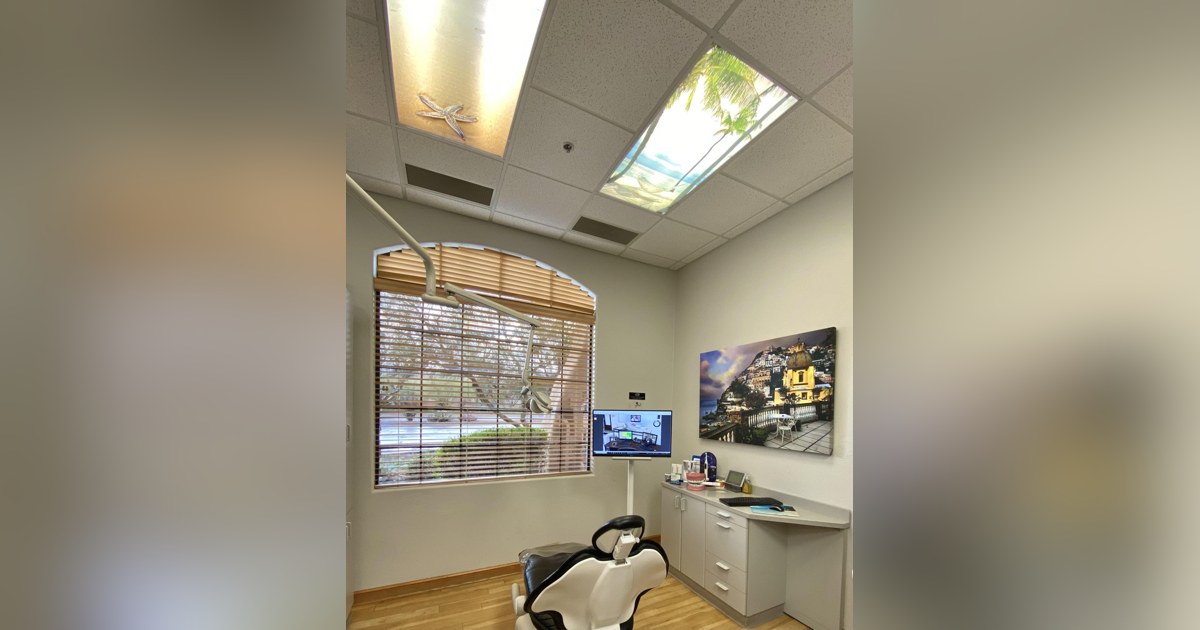
Rutledge Dental in Oro Valley, Arizona, has adopted CEREC computer-aided design and computer-aided manufacturing technology to complete dental crown restorations in a single appointment, the practice announced. The chairside system allows the practice, led by Dr. Joel Rutledge Jr., to scan, design, and mill a ceramic crown while the patient waits, removing the follow-up visit that conventional crown procedures typically require.
The traditional crown process has long involved at least two appointments: one to prepare the tooth and take impressions, and a second to seat the permanent crown. Between visits, patients wear a temporary restoration. With the CEREC system, Rutledge Dental captures a digital impression of the prepared tooth, generates a three-dimensional crown design on screen, and mills the ceramic restoration in the office before seating it the same day.
The change matters for patients who need crowns because of decay, a cracked tooth, or treatment following a root canal. Instead of coordinating two separate appointments and managing a temporary crown in the interim, patients can arrive, receive the preparation and final crown placement, and leave without a return visit for seating. For residents of the broader Tucson area, the availability of same-day crowns through an Oro Valley provider means the technology is accessible without traveling to a downtown or specialty location. Oro Valley sits just north of Tucson and draws a significant portion of its patient base from across the metro area.
CAD/CAM has been used in dentistry for several decades, and CEREC, developed by Dentsply Sirona, is among the more widely adopted chairside systems. It uses ceramic blocks to mill restorations that match the color and translucency of natural tooth enamel. Because the crown is fabricated from a single block of ceramic material in the office, the process does not depend on an external dental laboratory or a waiting period for off-site fabrication. Crowns placed through the system are composed of the same type of ceramic material used in traditional laboratory-fabricated crowns, according to the practice. The digital workflow also removes the step of physical impression material, which some patients find uncomfortable, and produces a 3D scan that can be reviewed and adjusted on-screen before milling begins.
Dr. Rutledge has structured the practice around the CEREC workflow to offer complete crown restorations within one scheduled appointment. The practice serves patients from Oro Valley, Tucson, and surrounding communities, and positions the single-visit approach as a response to practical concerns about treatment time and coordination for individuals managing demanding schedules. Rutledge Dental provides general and restorative dental care, including same-day crowns, and operates from its Oro Valley location. More information about the practice is available at rutledgedentalaz.com.
The announcement highlights a broader shift in restorative dentistry toward in-office digital fabrication, which can reduce the number of visits associated with common procedures. For patients weighing treatment options, the availability of chairside milling at a general practice in the Tucson region may make same-day crown care a more practical choice.