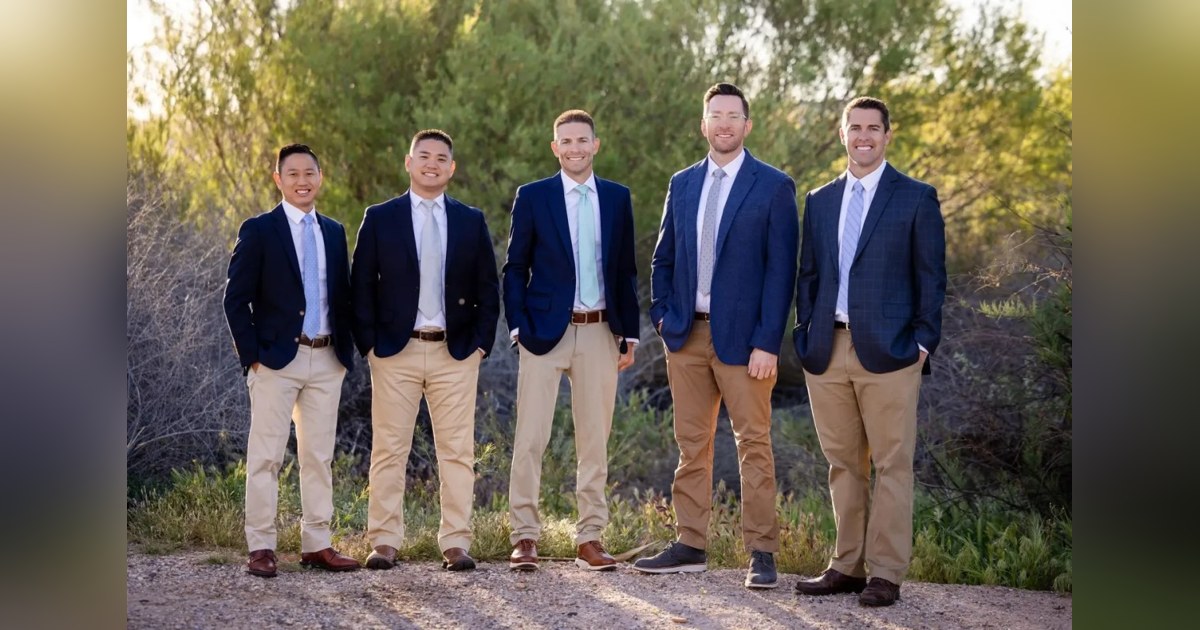
Southwest Oral Surgical Arts is drawing attention to the often-overlooked link between untreated gum disease and gum recession, offering gum grafting procedures at its Cedar City location to address tissue loss before it leads to deeper oral health complications. The practice, which provides gum disease treatment in St. George, UT and surrounding communities, is focusing patient education efforts on recognizing early warning signs of recession and understanding how surgical intervention can stabilize the condition.
Gum recession often develops gradually, making it easy to overlook until significant tissue loss has already occurred. Common signs include teeth that appear longer than they once did, sensitivity when consuming hot or cold foods and beverages, a visible notch near the gumline, or discomfort when brushing along the base of a tooth. In many cases, these symptoms trace back to gum disease—a bacterial infection that, when left unmanaged, breaks down the soft tissue and bone supporting the teeth.
When the gum tissue pulls away from the tooth, the root surface becomes exposed. Unlike the crown of a tooth, roots are not protected by enamel, which makes them more susceptible to temperature sensitivity, bacterial buildup, and decay. Without treatment, continued recession can compromise the structural stability of affected teeth over time.
Southwest Oral Surgical Arts addresses this through gum grafting, a procedure designed to reinforce the tissue margin and cover exposed root surfaces. The practice provides gum grafting in Cedar City, UT as part of a broader approach to managing the underlying causes of recession rather than treating surface symptoms alone.
For patients whose recession is connected to active gum disease, grafting is typically coordinated with scaling and root planing—a non-surgical procedure that removes bacterial deposits from below the gumline and smooths the root surfaces to discourage future bacterial attachment. Scaling and root planing is often performed before grafting to bring the infection under control and create a healthier environment in which the graft can heal properly.
During a gum grafting procedure, tissue is used to augment the receded area and reestablish a protective barrier around the tooth root. The graft material integrates with the existing tissue over the course of healing, reinforcing the zone where the gum meets the tooth. Southwest Oral Surgical Arts, which provides periodontics in St. George, UT, approaches each case based on the extent of recession and the patient’s overall periodontal health.
Recovery from gum grafting requires a period of careful attention to the surgical site. Patients are generally advised to follow a soft diet for several days and to avoid brushing directly over the grafted area until the tissue has had time to stabilize. Swelling and mild discomfort in the days following the procedure are typical, and the practice provides post-operative guidance to help patients manage the healing process.
Follow-up appointments allow the care team to monitor how the tissue is integrating and to evaluate the patient’s periodontal status going forward. Because gum disease is a chronic condition, ongoing maintenance visits play a role in preserving the results of grafting over time.
Southwest Oral Surgical Arts serves patients throughout the region from multiple locations, with offices in St. George and Cedar City. Patients experiencing signs of gum recession or those who have been diagnosed with periodontal disease are encouraged to consult with the practice to determine whether gum grafting or other periodontal treatment is appropriate for their situation. More information is available at Southwest Oral Surgical Arts.