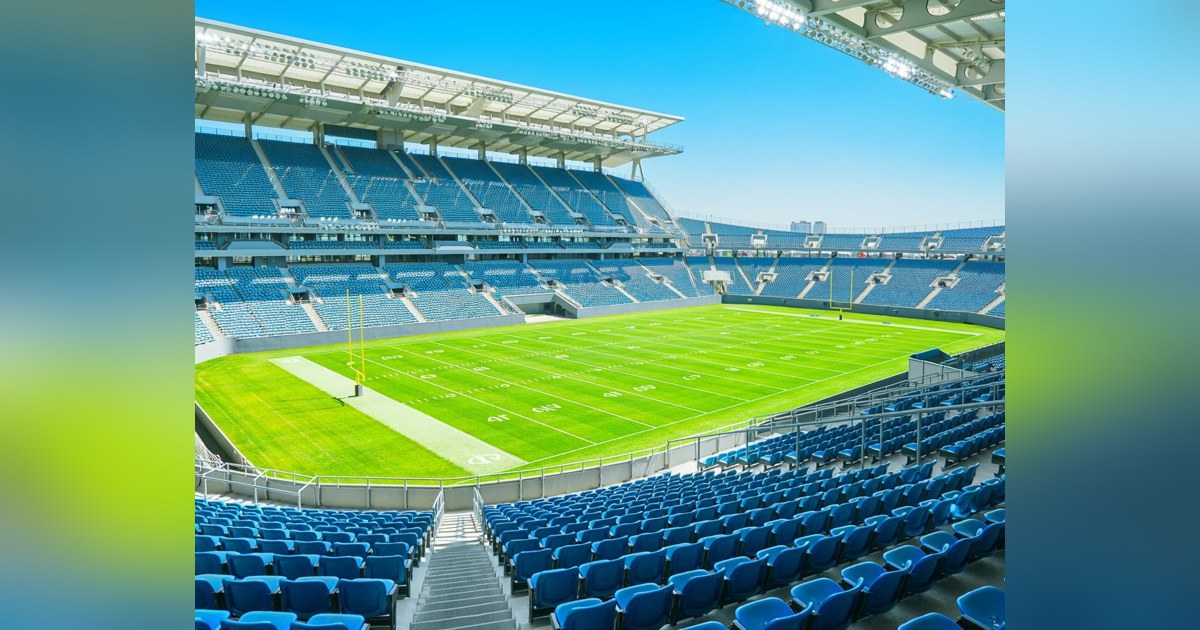
As cities and teams confront aging sports venues, the decision to renovate or replace carries high stakes, and a misstep can leave municipalities with costly, outdated facilities or lose their teams altogether. Andrea Austin, a shareholder at Greenberg Traurig who represents public owners and professional teams on stadium projects, says the choice typically boils down to three questions: Can the public afford its share of a new venue? Is the current location so iconic or practical that it is irreplaceable? And can the existing structure be updated to meet modern expectations?
Before comparing costs, Austin advises stakeholders to define what a modern venue must deliver. Upgrading escalators, mechanical systems, security systems, and worn concrete is unglamorous but essential for efficient operations. For fans, fast Wi-Fi is a basic expectation, as is food and beverage service that gets people back to their seats quickly. New gathering spaces, from exclusive clubs to open terraces, allow groups to mingle and circulate for a more interactive game-day experience. Teams also benefit from updated facilities that can grow revenues through suites, new sponsorships, and non-game events, while helping recruit top players and build fan loyalty.
Renovation likely makes the most sense in three situations, according to Austin. The first is when cost or political headwinds make a new build unattainable. The second is when the venue is an iconic community fixture, such as Wrigley Field in Chicago or Lambeau Field in Green Bay, which cannot simply be transplanted. The third is when the core structure is sound enough to be modernized. Most renovations occur in phases so teams can keep playing, though phasing involves a trade-off between finishing quickly and losing revenue from hosting fewer events during construction. NFL stadiums typically have an easier time because they host relatively few games, while arenas and ballparks with full calendars have less room to maneuver. Austin advises consolidating the construction schedule where possible to keep escalation costs down and reduce the risk that a renovation feels outdated upon completion.
Some venues cannot be fixed because the problem is the design. If a building’s core layout cannot be sufficiently retrofitted to meet modern needs, renovation money only goes so far. Austin points to Soldier Field in Chicago as an example of a renovation that ran into such limits. Lease terms can also force the issue. Some leases include a facilities clause requiring the venue to meet first-class standards, and the lease can be voided if it falls short. Austin cites the St. Louis Rams’ relocation as an example of how these clauses can play out when sight lines cannot keep pace with comparable facilities. Teams and cities that sign such leases need to understand the cost of meeting benchmark standards year after year and which side is responsible for improvements.
Because many stadiums are publicly owned, a city or stadium authority is often at the negotiating table. For public owners of sports facilities, Austin recommends three steps before talks begin. First, hire an independent third party to assess what the facility actually needs, since a team’s wish list and a building’s needs are not always the same. Second, ensure the investment is balanced, funding critical items like escalators, back-of-house systems, and building infrastructure, not only the suites and premium seating that generate revenue for the team. Third, know the numbers: public owners should define available reserves and confirm funding sources before discussions begin so they negotiate from a clear position.
Whether the answer is renovation or a new building, the goal is the same: a venue that meets today’s standards under an agreement that works for the team and the community over the long term.