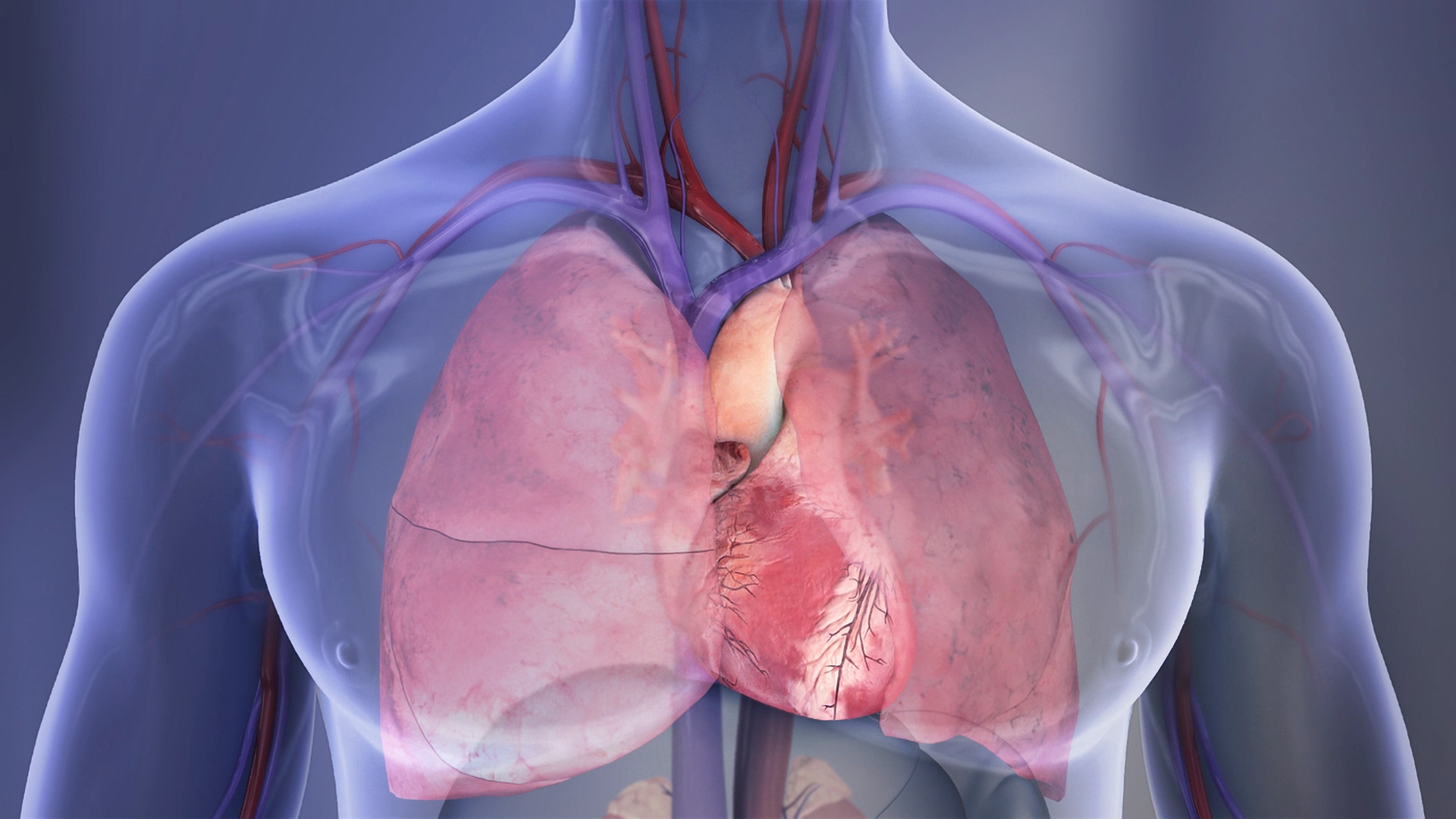
Perimenopausal women face twice the risk of having poor cardiovascular health compared to women still having regular menstrual cycles, according to an analysis of nationwide U.S. data published today in the Journal of the American Heart Association. The findings underscore the importance of the menopausal transition as a ‘window of opportunity’ for heart disease prevention.
Using the American Heart Association’s Life’s Essential 8 (LE8) metrics, researchers analyzed data from 9,248 women aged 18 to 80 from the National Health and Nutrition Examination Survey between 2007 and 2020. The LE8 score, on a 100-point scale, assesses diet, physical activity, tobacco use, sleep, blood pressure, cholesterol, blood sugar, and body mass index.
Median LE8 scores declined with advancing reproductive stage: from 73.3 in premenopausal women to 69.1 in perimenopausal women and 63.9 in postmenopausal women. After accounting for age, perimenopausal women were twice as likely to have a low LE8 score (below 50) compared to premenopausal women. They were also 76% more likely to have low cholesterol scores and 83% more likely to have low blood sugar scores.
‘Our analysis highlights that perimenopause is the critical time when the increase in cardiovascular risk seems magnified,’ said Dr. Amrita Nayak, lead author and research fellow at the University of Alabama at Birmingham. The study suggests that fluctuating estrogen levels during perimenopause may negatively affect cholesterol, insulin resistance, blood pressure, and weight management.
Dr. Garima Arora, senior author and professor of medicine at UAB, emphasized proactive screening: ‘Mid-life women should think of the perimenopausal period as a ‘window of opportunity.’ They should not wait until they reach menopause to start checking their blood pressure, cholesterol, and blood sugar levels.’ She noted that diet consistently received the lowest scores across all reproductive stages, highlighting nutrition as a central factor for early intervention.
Dr. Stacey E. Rosen, volunteer president of the American Heart Association, who was not involved in the study, commented: ‘This research highlights yet another aspect of the unique factors that increase a woman’s risk of cardiovascular disease throughout her lifespan. Significant health changes during pregnancy, perimenopause, and menopause make it particularly important to pay close attention to health risk factors during those times.’
The study’s next steps include tracking women over several years to monitor hormone levels and heart health, which may clarify the long-term impact of perimenopause and how lifestyle changes can reduce risk. The findings encourage clinicians to begin screening for high blood pressure, cholesterol, and Type 2 diabetes earlier in the perimenopausal transition.
Perimenopause, defined as the transition from reproductive to non-reproductive years, involves hormonal and metabolic changes that can accelerate cardiovascular risk. A 2020 American Heart Association scientific statement emphasized that this transition is an important time for early intervention strategies.
The analysis included a diverse sample: 65% non-Hispanic white, 11% non-Hispanic Black, 9% Mexican American, 7% other Hispanic, and 8% other races including Asian. Women who were pregnant, breastfeeding, or had a history of cardiovascular disease were excluded.
Limitations include self-reported menstrual history and lifestyle factors, as well as incomplete data on ovary removal or hormone replacement therapy. Despite these, the study provides strong evidence that perimenopause is a critical period for cardiovascular health assessment and intervention.

This news story relied on content distributed by NewMediaWire. Blockchain Registration, Verification & Enhancement provided by NewsRamp™. The source URL for this press release is Perimenopause Identified as Key Window for Heart Disease Prevention in Women.