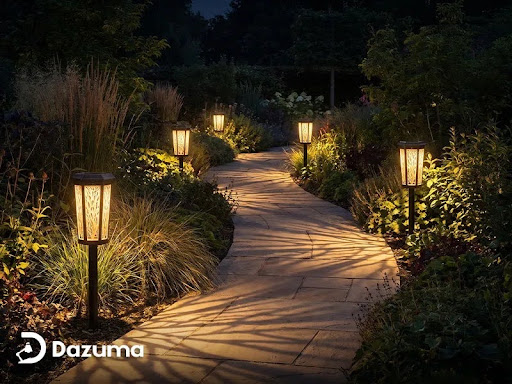
Outdoor areas are increasingly being treated as functional extensions of the home rather than spaces used only during daylight. Patios have become informal dining rooms, gardens serve as places to relax, and walkways connect entrances, driveways and outdoor entertaining areas long after sunset. As this change continues, lighting is playing a more important role in residential landscape planning.
Pathway illumination is one of the most practical parts of that shift. It can make changes in elevation easier to recognize, guide visitors toward the correct entrance and give a landscape visual structure at night. Yet successful pathway lighting is not simply a matter of installing a row of bright fixtures. Designers and homeowners must consider spacing, glare, weather exposure, architectural style and the way people actually move across the property.
Outdoor Spaces Are Being Used Differently
Homeowners now expect exterior spaces to support more than occasional gardening or weekend maintenance. A short path between the house and garage may be used several times each evening. A side walkway can provide access for delivery workers, while a garden route may connect a patio to a fire pit or detached workspace.
These patterns create a need for lighting that supports movement without overwhelming the landscape. A bright floodlight can illuminate a large area, but it may also create hard shadows and glare. Smaller fixtures positioned near important points can provide more precise guidance while preserving the atmosphere of the garden.
This approach is particularly relevant in urban and suburban settings, where neighboring properties and windows may be close to the installation.
Pathway Lighting Supports Both Safety and Design
The primary purpose of walkway illumination is to help people understand where they are going. Changes in paving material, uneven surfaces, curves and steps should remain visible after dark. The light does not need to reproduce daylight conditions. It needs to provide enough contrast for people to recognize the route and avoid obstacles.
At the same time, fixtures contribute to the visual identity of a property. Their shape, height, finish and beam pattern become part of the landscape during both day and night. Dazuma’s collection of Path Lights demonstrates the range of forms now available, from understated modern fixtures to solar models and more decorative designs.
Selecting a fixture therefore involves two related decisions: how the light will perform and how the object itself will relate to the surrounding architecture and planting.
Good Placement Is More Important Than Quantity
One of the most common mistakes in pathway lighting is placing fixtures at perfectly equal intervals along both sides of a walkway. This can produce an institutional or runway-like appearance, particularly on straight paths.
A more natural arrangement responds to the landscape. Fixtures can be placed near curves, intersections, steps and changes in surface. Staggering them from one side to the other often creates better visual rhythm and avoids excessive repetition. Wider sections of a path may need illumination from both directions, while a narrow route may require only a few carefully positioned lights.
Before permanent installation, temporary markers can be placed in the proposed locations. Viewing the arrangement after dark makes it easier to judge whether the route is clear and whether any area feels unnecessarily bright.
Fixture Height Changes the Lighting Effect
The height of a pathway fixture affects the size and character of the illuminated area. Low fixtures tend to concentrate light near the ground, making them useful around steps, narrow paths and small garden beds. Taller fixtures can distribute light across a wider section of the walkway and may be easier to see above low planting.
The correct height also depends on the surrounding landscape. A very short fixture can disappear behind ornamental grass in summer, while an oversized bollard may dominate a compact residential garden. Homeowners should consider how plants will grow rather than planning only around their current size.
The light source should generally be shielded from normal viewing positions. Seeing a soft pool of light on the path is more comfortable than looking directly into a bright bulb or LED module.
Beam Direction Helps Control Glare
Pathway lighting works best when the beam is directed toward the walking surface. Fixtures that spread light horizontally at eye level may cause glare and send unnecessary illumination toward windows or neighboring properties.
Shielded, downward-facing designs can keep light closer to the ground. This improves visual comfort and makes it easier to see beyond the fixture into darker parts of the garden. It can also reduce the amount of light entering the night sky.
Testing the lighting from several viewpoints is important. A fixture may appear comfortable when viewed from the house but expose its light source to someone approaching from the street. Designers should examine the system from both directions along the path and from nearby indoor rooms.
Light Color Influences the Atmosphere
Warm white illumination is widely used in residential landscapes because it tends to complement brick, wood, stone and green foliage. It creates a relaxed visual connection between exterior spaces and the warm light commonly found inside homes.
Cooler light can produce a sharper, more contemporary appearance, but it may feel severe when used throughout a garden. Mixing several noticeably different light colors along one route can also make the landscape look disconnected.
Consistency does not require every fixture on the property to be identical. However, pathway, porch and landscape lighting should appear to belong to the same overall composition. Checking color information before purchasing integrated LED fixtures or replacement bulbs can prevent visible differences after installation.
Solar and Wired Systems Serve Different Situations
Solar-powered fixtures can be practical where access to electrical wiring is limited. Many models can be installed with minimal disturbance to paving or planting. Their performance, however, depends on receiving adequate daylight. Dense tree cover, buildings and seasonal changes can affect charging and nighttime operating time.
Wired low-voltage systems can offer more predictable output and coordinated controls across a larger landscape. They require planning for a transformer, cable routes and compatible fixtures. Connections must remain protected from weather and landscape maintenance.
The decision should be based on the importance of the route, available sunlight and the complexity of installation. A remote decorative garden path may be well suited to solar lighting, while frequently used steps or a primary entrance route may benefit from a more consistent power source.
Materials Must Match the Environment
Outdoor fixtures face rain, moisture, sunlight, temperature changes and accidental contact with lawn equipment. A product that looks appropriate indoors may not be constructed for those conditions.
Homeowners should confirm that each fixture is intended for the proposed level of exposure. Materials and finishes also require attention. Powder-coated metals, aluminum, stainless steel and copper-based materials can perform differently depending on local weather and maintenance.
Coastal air may accelerate corrosion, while strong sunlight can fade some finishes. In colder regions, fixtures and connections must tolerate freezing conditions and snow. Selecting appropriate products from the beginning helps protect both the lighting effect and the appearance of the landscape.
Smart Controls Can Improve Efficiency
Modern pathway lighting does not need to operate at full brightness throughout the night. Timers, dusk-to-dawn sensors, motion detection and smart controls can match operation to household routines.
A system may provide gentle illumination during the evening, then switch off or reduce output after residents have gone to bed. Motion activation can temporarily restore useful visibility when someone approaches. This strategy can reduce unnecessary operation while keeping important routes available when needed.
Controls should remain simple and accessible. Homeowners need a clear manual option for gatherings, maintenance work or unexpected late-night use. Motion sensors should also be adjusted carefully so moving plants, animals or passing vehicles do not trigger repeated activation.
Urban Homes Require Greater Lighting Discipline
Closely spaced properties make glare and light spill especially important. A fixture near a boundary can affect a neighboring patio or bedroom even when it appears modest from the homeowner’s side.
Directing beams downward, limiting brightness and using scheduled controls can help keep light within the intended area. Strategic placement may also deliver better results with fewer fixtures. Instead of illuminating the entire front yard, lights can emphasize the route from the sidewalk to the entrance.
This restrained approach supports visibility without competing with streetlights, porch fixtures and other urban light sources. It can also give a small landscape more depth by preserving controlled areas of shadow.
Installation and Maintenance Should Be Planned Together
Pathway fixtures must be positioned where they will not create tripping hazards or interfere with mowing, snow removal and routine gardening. Cables should be routed and protected appropriately, while transformers and controls need accessible but sheltered locations.
Electrical work should follow applicable local requirements. Professional installation may be advisable when new circuits, complex low-voltage layouts or hardwired equipment are involved.
After installation, lenses should be cleaned periodically and fixtures checked for movement. Soil can settle, stakes can shift and growing plants can block the beam. Fallen leaves, snow and garden debris may also cover low lights. A seasonal inspection keeps the system aligned with the original plan.
Thoughtful Lighting Creates a Clearer Nighttime Landscape
Pathway lighting has developed from a simple safety feature into an important element of modern landscape design. When fixture height, spacing, beam direction and controls are considered together, the result can guide movement while adding depth and character to the property.
The most effective systems do not attempt to illuminate every part of the yard. They identify the routes people actually use, focus light on meaningful locations and allow the surrounding landscape to retain some natural darkness. That balance creates an exterior that feels safer, more welcoming and better connected to contemporary outdoor living.