Thailand’s Long-Term Resident (LTR) visa has approved 12,010 high-potential foreigners in its first four years, generating approximately USD 1.28 billion (THB 43 billion) in economic value, according to the Board of Investment (BOI). The visa, introduced in September 2022, is designed to attract executives and highly skilled personnel for future industries while increasing purchasing power and stimulating domestic spending.
BOI data shows the program has generated an average economic value of more than USD 107,000 (THB 3.6 million) per recipient. This calculation includes visa fees, spending in Thailand by visa holders, direct investment, and tax revenue from highly skilled professionals. The figures underscore the program’s role as a strategic tool for economic development.
Approved recipients primarily come from leading economies. The United States accounts for the largest group with more than 2,400 approvals, followed by Japan with more than 1,300 and the United Kingdom with more than 1,000. Japanese nationals comprise a notable share of the specialist bracket, aligning with Japan’s heavy footprint in Thailand’s automotive and precision-electronics supply networks.
The 12,010 approved recipients fall into five categories: 1,779 Highly-Skilled Professionals; 1,043 Work-from-Thailand Professionals, who work from Thailand for overseas employers; 737 Wealthy Global Citizens; 4,561 Wealthy Pensioners; and 3,891 Dependents. Among Highly-Skilled Professionals and Work-from-Thailand Professionals, 54% hold executive-level positions and 36% are professionals in various fields, with the remainder at the technical level.
Amid intensifying global competition for highly skilled personnel, the LTR visa is an important mechanism for bringing global talent into Thailand. This is particularly relevant as the country prepares for a new wave of investment in advanced-technology industries, including semiconductors and advanced electronics, digital technology and AI, humanoid robotics, aviation, and biotechnology.
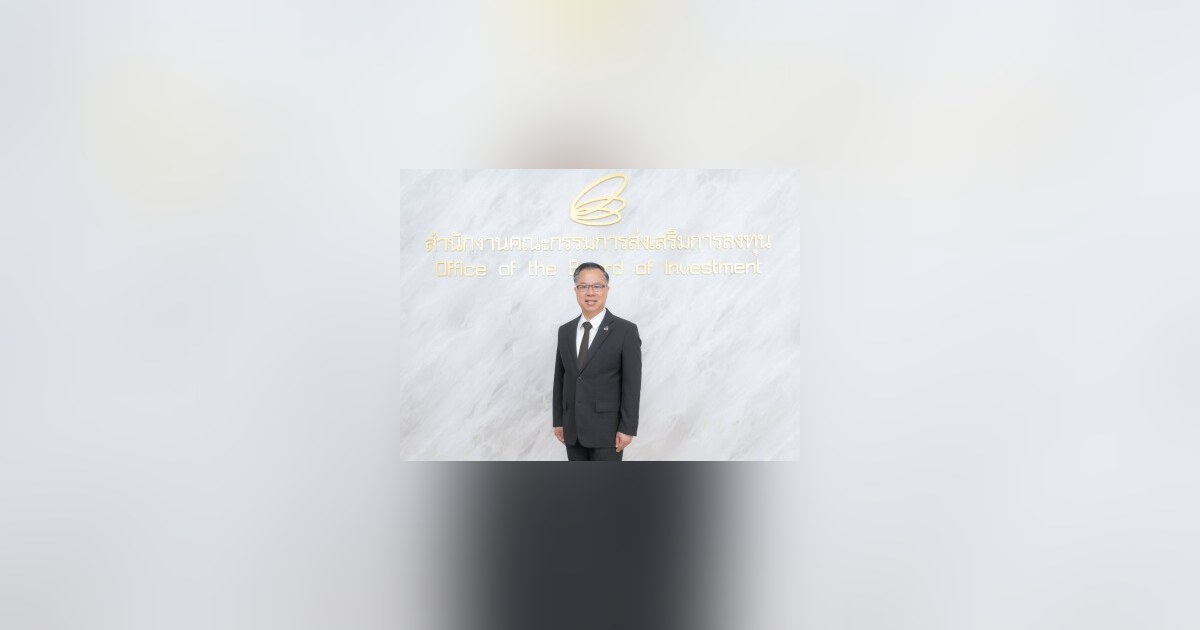
“The LTR visa is a strategic pillar to attract global talent as Thailand absorbs a new wave of advanced technology investments,” said Narit Therdsteerasukdi, Secretary General of the Board of Investment. “Drawing top-tier executives and technical specialists from around the world is vital to strengthening our national competitiveness and securing technology transfers from international partners.”
To handle rising application volumes and remove administrative bottlenecks, the BOI rolled out an integrated digital processing portal in September 2026. The platform centralizes review procedures across four primary state bodies: the Department of Consular Affairs, the Immigration Bureau, the Department of Employment, and the Revenue Department. Complementing the portal, the Thailand Investment and Expat Services Center (TIESC), a one-stop service center, is located on floors 6-7 of the Parade Zone at One Bangkok.
“The center is intended to strengthen Thailand’s competitiveness in continuously attracting high-potential talent from around the world,” said Mr. Narit.
In addition to the LTR visa, the BOI facilitates visas and work permits for executives and personnel in BOI-promoted businesses through the BOI Visa, and offers the Smart Visa for startups. The BOI also supports skills development of Thai personnel through the Skill Bridge measure and helps Thai entrepreneurs adopt modern technology through the Business Transformation measure. These measures work together to attract international experts, develop Thai personnel, and upgrade Thai businesses.
For more information on Thailand’s investment incentives, visit the Board of Investment. This news was distributed via Media OutReach Newswire.