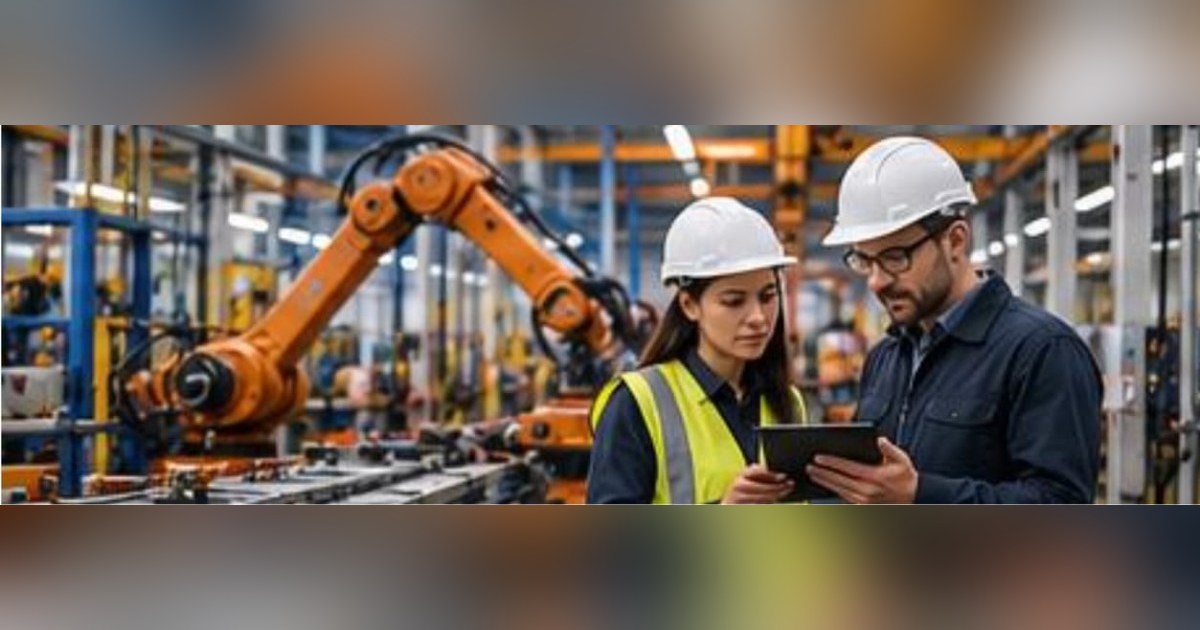
Small and mid-sized manufacturers across the Pacific Northwest are facing a growing cybersecurity challenge: operational technology (OT) on the factory floor often cannot run standard corporate antivirus or office security software, leaving connected machinery vulnerable to attacks. To address this gap, One Up Solutions Northwest, a Tigard-based managed IT services provider, has launched a specialized framework for affordable Internet of Things (IoT) security tailored specifically to the factory floor.
The initiative, announced on October 23, 2026, offers actionable blueprints for regional businesses that rely on legacy machinery and operate under tight cybersecurity budgets. Rather than requiring expensive equipment overhauls or disruptive software patches, the framework focuses on securing the digital perimeter surrounding existing assets.
Industrial hardware often operates on a lifecycle that differs sharply from traditional corporate IT. While factory-floor sensors and controllers can last for decades, the internal software powering them frequently ages out of vendor security support. Applying standard office maintenance routines to active production networks can cause unexpected downtime, so true resilience requires direct coordination between IT professionals and the operations team managing production schedules. For teams navigating these initial concepts, anchoring the foundational vocabulary is an essential first step; manufacturers can clarify definitions by reviewing the Operational Glossary: What Does IoT Stand for in Manufacturing?.
A cornerstone of modern factory security is separating operational networks from corporate and guest Wi-Fi. However, heavy-handed isolation can cripple the real-time data flow needed for modern logistics. “Network segmentation doesn’t mean total isolation,” said Dave Chapman, President of One Up Solutions Northwest. “Connected equipment must still safely communicate with supervisory systems and verified cloud platforms. Success lies in mapping out exactly what data a device needs to send, and systematically blocking everything else through existing network infrastructure.” By establishing strict communication boundaries, plants can keep essential production visible and manageable without exposing vulnerable machinery to broader internet threats.
Securing the perimeter also means addressing default settings. The blueprint stresses immediate changes to default factory credentials during initial equipment setup, along with secure, restricted storage for authorization keys on shared industrial interfaces. Hardware security begins long before a device reaches the assembly line: Pacific Northwest manufacturers are encouraged to implement rigorous supplier checks, verify component traceability, and maintain meticulous documentation for all incoming parts. These purchasing logs serve as the foundation for future technical audits and maintenance tracking.
When legacy devices cannot host modern security software, tracking overall network behavior becomes a powerful defensive alternative. Flagging unexpected server destinations, spikes in data volume, or altered communication intervals allows managers to catch potential breaches early. Crucially, ongoing security assessments must align with standard factory workflows, with routine maintenance windows scheduled concurrently with product changeovers or planned equipment downtime to preserve maximum operational efficiency.
Modern manufacturing relies on a diverse ecosystem of specialized technology, including vibration sensors, RFID tracking bands, environmental monitors, and automated vision inspection systems. Because these tools serve entirely different roles, procurement should be driven by explicit physical needs rather than broad technical trends. Rather than chasing generalized production promises, managers should evaluate every new asset based on its intended operational environment, its approved connection pathways, and long-term technical support responsibilities.
The framework matters because it offers a practical path for smaller manufacturers that lack the resources of large enterprises but face the same escalating threats. By focusing on network segmentation, access controls, and behavior monitoring, One Up Solutions Northwest aims to help regional businesses protect critical production without disrupting operations.